
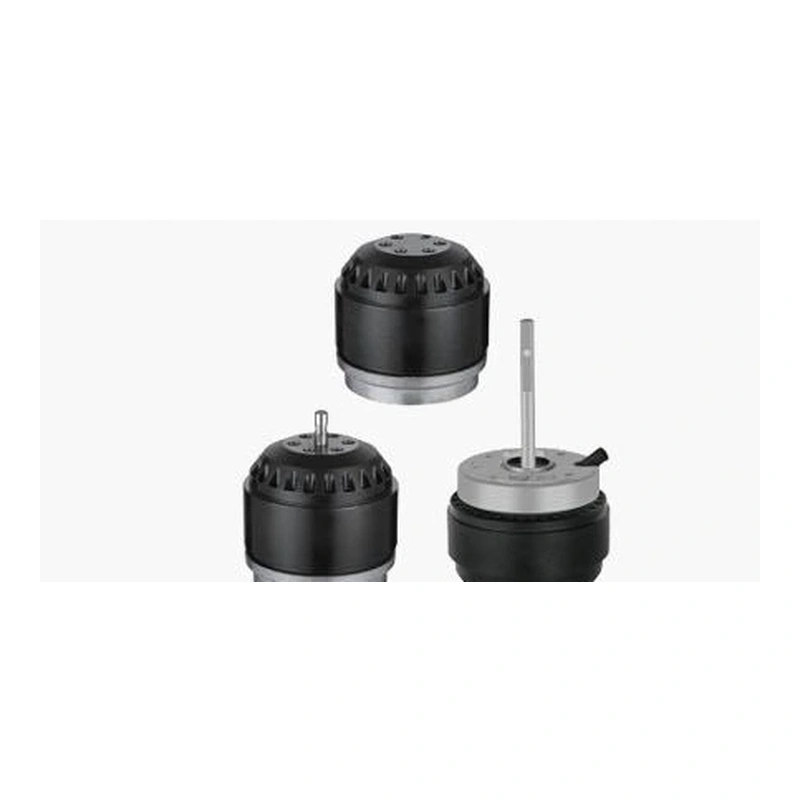
A motor insulation class and an IP code describe different characteristics. They do not, by themselves, establish an allowable process-gas temperature, service life or suitability for every installation. Read them with the motor's rated duty, cooling method, ambient conditions, supply and application evidence.
Insulation class is a thermal classification
Common thermal-class designations include B (130 °C), F (155 °C) and H (180 °C). These identify insulation-system thermal classes, not acceptable casing temperatures or a permission to run the surrounding air at those temperatures. IEC 60085 distinguishes electrical insulation systems from individual insulating materials and sets out thermal evaluation and designation.
Motor temperature limits depend on the applicable machine standard, duty, cooling conditions and measurement method. Average winding temperature inferred from resistance is different from a local hot-spot temperature. Ask what the stated temperature rise means and how it was established. Do not infer an allowable load from insulation class alone.
Read temperature rise with the operating conditions
Class F insulation with a specified class B temperature rise can provide thermal margin under its declared rating conditions. The class temperatures differ by 25 °C, but that difference is not an automatic additional ambient allowance or permission for overload, blocked cooling or poor supply. Confirm actual rise limits, measurement method, duty, ambient and any service-factor basis.
Thermal ageing depends on the insulation system and operating history. A generic claim that every 10 °C rise halves every motor's life is not a service-life prediction. Use suitable thermal protection, cooling maintenance and the manufacturer's application limits; a higher insulation class does not correct every cause of overheating.
- Ambient: specify the temperature at the motor and its cooling-air inlet, including nearby process heat. A 40 °C reference is common, but check the actual nameplate and declared rating. A motor specifically rated for 55 °C may be suitable there; another may need a manufacturer-approved derating or different design.
- Altitude: state the installation elevation and cooling conditions. A common reference is 1,000 m, but the required adjustment depends on the actual rating and construction. Obtain the applicable output, insulation and cooling assessment rather than applying a universal percentage.
- Duty and supply: include starting frequency, load cycle, voltage and frequency, and any converter operation. The applicable IEC 60034-1 rating and performance standard addresses the motor component; a complete drive system can require additional assessment.
The IP code: two separate aspects of protection
The first numeral addresses access to hazardous parts and ingress of solid foreign objects; the second addresses harmful water ingress under specified tests. An abbreviated selection is shown below. IEC 60529 defines the general enclosure IP code. Check the applicable motor enclosure standard and the supplied motor's declared rating, including its terminals, cable entries, seals and installation orientation.
| Numeral | Solid-object or dust aspect, first numeral | Water aspect, second numeral |
|---|---|---|
| 4 | Solid objects of 1 mm diameter and greater | Splashing water under the specified test |
| 5 | Dust protected; limited ingress must meet the specified acceptance conditions | Water jets under the specified test |
| 6 | Dust tight under the specified test | Powerful water jets under the specified test |
| 7 | Not used for this first-numeral scale | Temporary immersion under the specified conditions |
IP55 therefore describes dust protection and the relevant water-jet protection, while IP65 changes the dust aspect. Neither code guarantees suitability for all industrial environments. An immersion numeral does not automatically establish jet resistance, and a general jet rating is not proof for every high-pressure, hot or chemical washdown process. Ask for the required tests and supporting evidence.
Conditions to assess separately
Condensation. Internal moisture can condense as temperatures change. Assess the duty cycle, humidity, drainage, heaters and their controls with the motor supplier. Use approved drains and orientations, and confirm how they affect enclosure protection. Do not modify a certified enclosure by drilling a drain or assuming that every IP66 motor is hermetically sealed.
Corrosion and chemicals. Identify salts, gases, vapours and cleaning agents, their concentrations, temperatures and exposure. Select suitable materials, coatings, seals and maintenance on supporting evidence. An IP number does not establish chemical compatibility or corrosion life.
Bearing duty. Specify radial and axial loads, speed, lubrication, alignment and vibration limits. Neither insulation class nor IP code provides a bearing-life calculation. Do not assume bearings are always the dominant failure mode without examining service records.
Converter operation. Verify the motor and VFD combination, cable length, switching conditions, speed range, low-speed cooling and any required filters or bearing-current mitigation. Not every standard motor is unsuitable for a drive, and one grounding ring or insulated bearing is not a universal remedy.
Special hazards. Combustible dust, explosive gas and emergency smoke extraction need the applicable assessment and product evidence. IP65 or class H alone is not approval for those duties. The enclosure and the complete fan assembly must match the specified application.
What to include in the motor enquiry
Request a fan motor specification review. Send shaft duty and speed range, load cycle, motor-location drawing, cooling method, ambient and altitude, gas and cleaning exposures, humidity, supply and VFD details, required protection and destination requirements. Request the motor datasheet, rise and derating basis, enclosure evidence, protection settings and maintenance instructions. Compare the drive arrangement as part of the same application.