Technical resources for fan selection, airflow, static pressure, motor configuration, and export documentation.
⚙️ Technical Guide
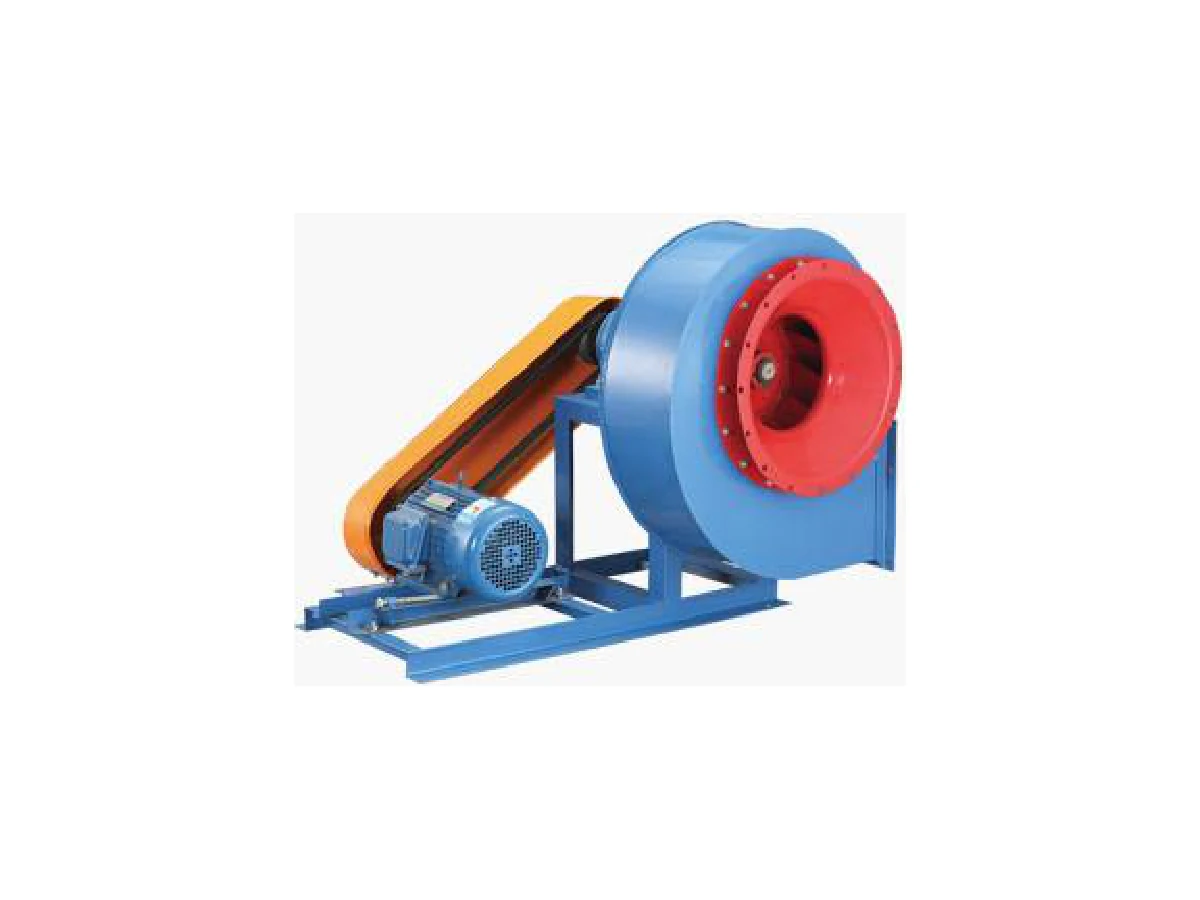
How to Specify a Replacement Fan Impeller by Fit and Drive
·9 min read
Learn which replacement fan impeller dimensions, rotation, bore, hub, material and drive details to confirm before ordering a centrifugal or axial replacement part.
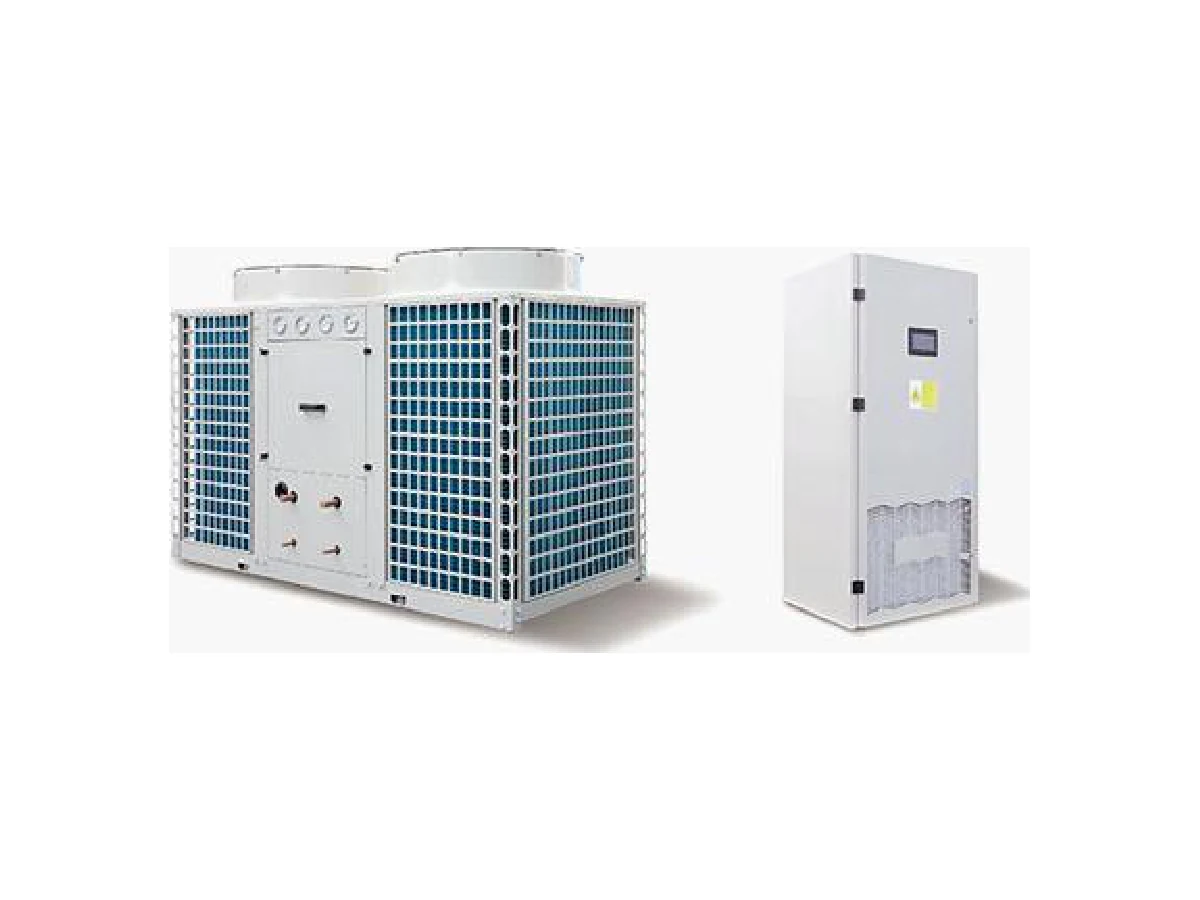
CRAC Unit Procurement: Specify Capacity and Controls
·8 min read
A practical guide to preparing CRAC unit procurement specifications, including room load, temperature and humidity targets, configuration, interfaces, and supplier documentation.
Industrial Fan RFQ Checklist: Specs Buyers Should Request
·12 min read
Use this industrial fan RFQ checklist to define the duty point, request complete technical documents, specify materials and packing, and compare supplier quotations accurately.
Industrial Fan Replacement: How to Match the Right Unit
·9 min read
Replace an industrial fan by matching its duty point, installation geometry, operating conditions, and motor controls. Use measured system data and supplier documentation instead of relying on the old model number or motor power alone.
Fan System Effect: How Ductwork Changes Fan Performance
·12 min read
Learn how elbows, transitions, dampers, clearances and poor inlet or outlet geometry reduce installed fan performance, and how to diagnose and correct these losses.
Zone classification, temperature class and gas group explained, plus the construction details — spark-resistant materials, motor certification, earthing — that a compliant fan actually requires.
The pressure threshold where axial fans stop being viable, blade geometries compared on efficiency and dust tolerance, and the installations where the theoretically correct choice is the wrong one.
Fan Technical Specs Explained: Airflow, Static Pressure and Power
·4 min read
What each number on a fan datasheet means, the unit conversions that cause the most quotation errors, and how the fan laws let you predict performance at a different speed.
Working out system resistance before you look at a fan curve, reading the curve once you have it, and why the efficient operating point sits to the right of where most buyers pick.