Technical resources for fan selection, airflow, static pressure, motor configuration, and export documentation.
⚙️ Technical Guide
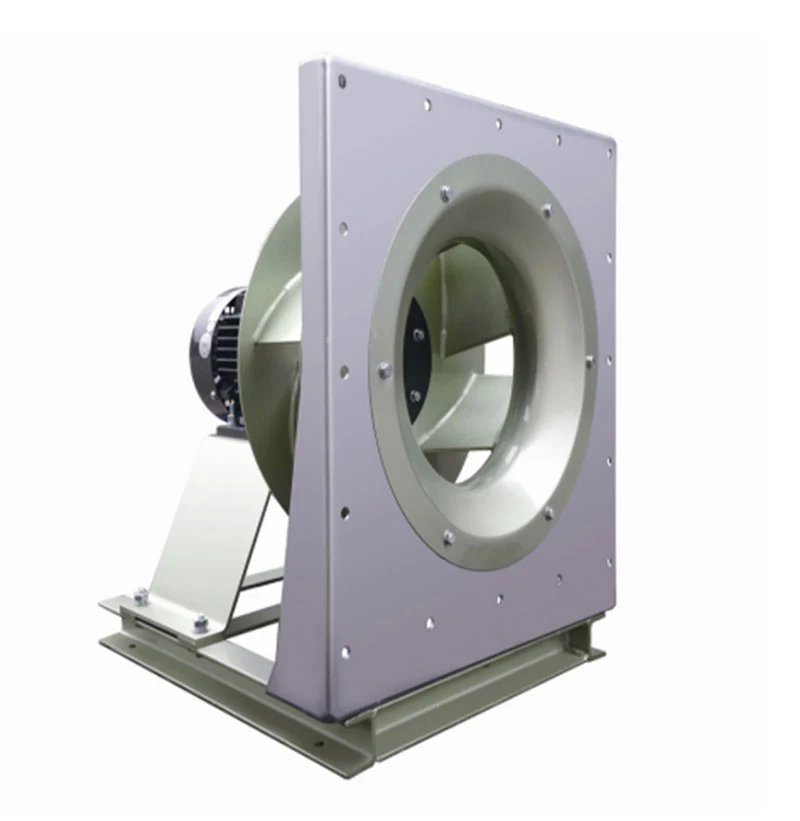
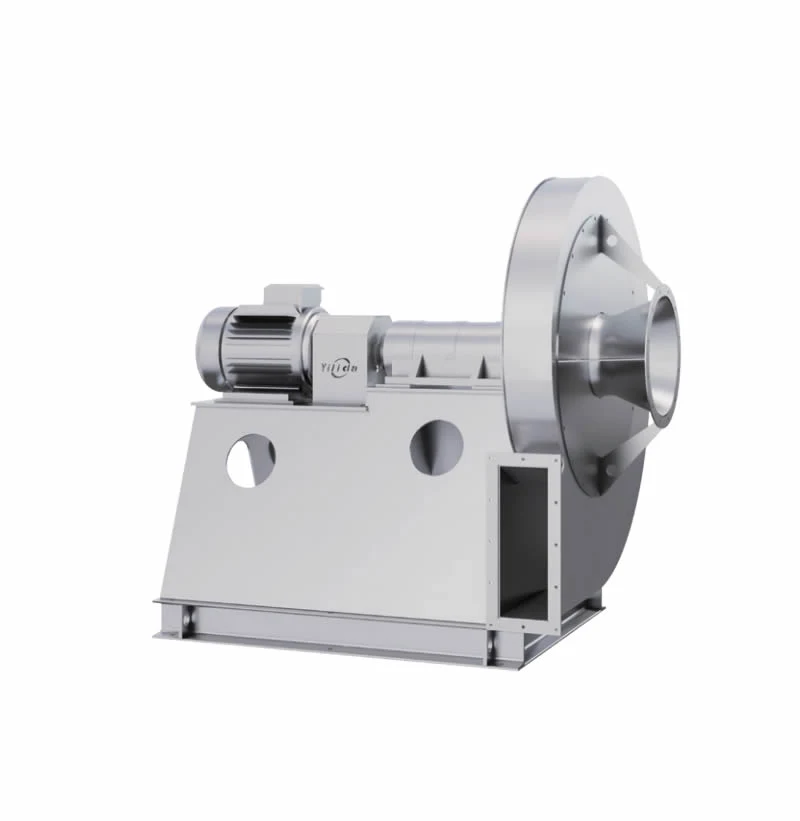
High Pressure Blowers: When a Normal Fan Runs Out
·3 min read
The pressure band where centrifugal fans stop being the answer, what changes in impeller and casing design above it, and the process applications that need pressure rather than volume.
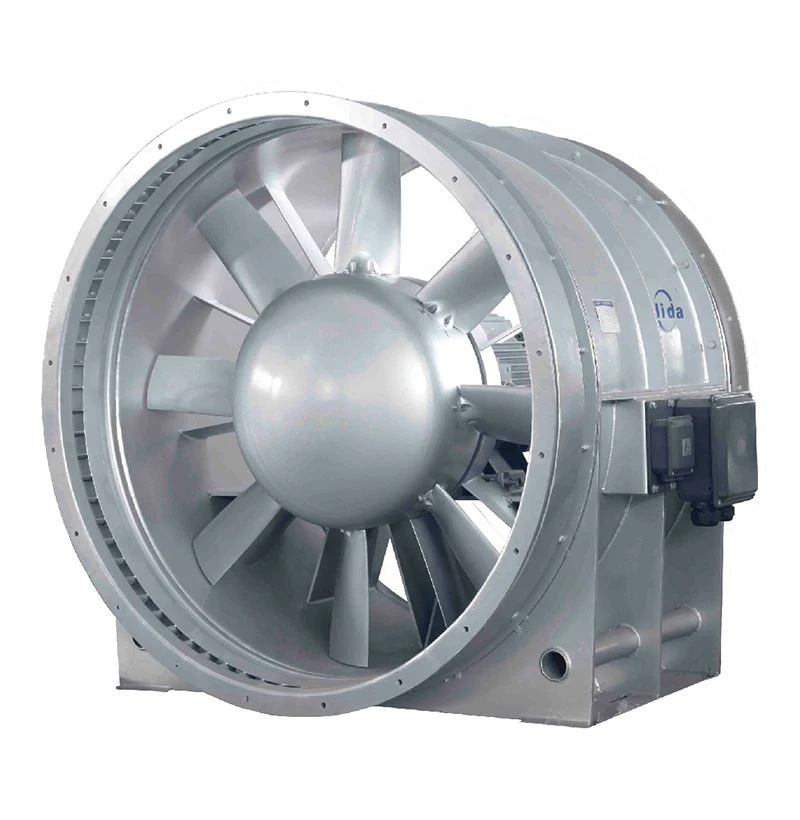
What separates a metro fan specification from an industrial one — reversibility, fire duty, vibration limits and a service life measured in decades rather than years.
Ventilation Fans for Poultry Houses and Greenhouses
·3 min read
Air changes per hour against tunnel velocity as competing design bases, why the static pressure a livestock fan works against is far lower than an industrial fan, and the corrosion that ends fan life early.
Jet Fans for Tunnel Ventilation: Thrust and Spacing
·4 min read
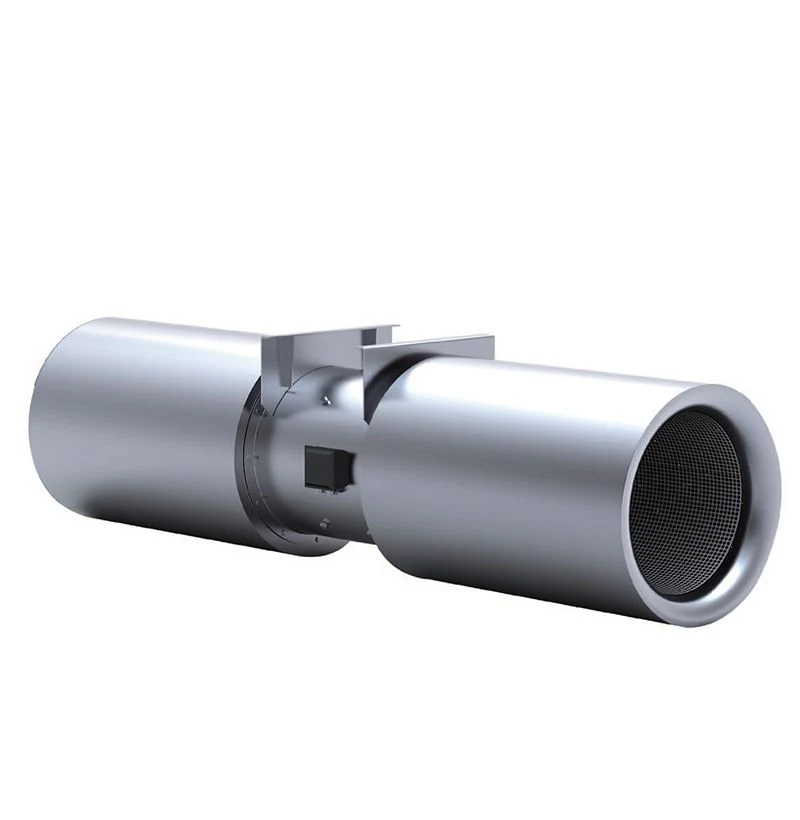
Why tunnel fans are specified in newtons rather than airflow, how the required thrust is built up from grade, traffic and wind, and the spacing rule that decides whether the installed thrust is actually delivered.
Motor Insulation Class and IP Rating: What They Do Not Cover
·4 min read
Read motor thermal class, temperature rise and IP protection with the actual rating, ambient, altitude, cooling, converter duty and environmental exposures.
Plug Fans in Air Handling Units: Why the Housing Went Away
·4 min read
What removing the scroll housing changes about discharge, service access and redundancy, and the plenum conditions a plug fan needs before it performs as catalogued.
Belt-Driven or Direct-Driven? A Maintenance-Led Comparison
·4 min read
Compare actual direct-drive and belt-drive assemblies on electrical input, speed limits, motor exposure, protection, access and the documented maintenance plan.
Fan Noise: Reading dB Figures That Are Actually Comparable
·4 min read
Compare fan sound power and sound pressure using stated duty, weighting, sound path and receiver conditions; check distance and speed estimates before selection.
Cross-Flow Fans: What They Are Good At and What They Are Not
·3 min read
The wide, thin airflow pattern that makes tangential fans the default in air curtains and fan coils, plus the pressure ceiling that rules them out of ducted work entirely.